Asthma is a lung condition that causes swelling of the airways. It can make breathing difficult and trigger coughing, wheezing and shortness of breath. It’s the most common chronic disease among children, although it affects adults, as well.
More than 262 million people globally are affected by asthma, and more than 461,000 have died due to the disease, according to the World Health Organization.
In childhood asthma, the lungs and airways become easily inflamed when exposed to certain triggers, such as inhaling pollen or catching a cold or other respiratory infection. Childhood asthma can cause bothersome daily symptoms that interfere with play, sports, school and sleep. In some children, unmanaged asthma can cause dangerous asthma attacks.
Childhood asthma isn’t a different disease from asthma in adults, but children face unique challenges. The condition is a leading cause of emergency department visits, hospitalizations and missed school days.
Unfortunately, childhood asthma can’t be cured, and symptoms can continue into adulthood. But with the right treatment, children can keep symptoms under control and prevent damage to growing lungs. Maintaining good day-to-day asthma control is the key to keeping symptoms at bay and preventing asthma attacks.
On the Mayo Clinic Q&A podcast, Ask the Mayo Mom host Dr. Angela Mattke, a Mayo Clinic pediatrician, is joined by Mayo Clinic Children’s Center expert, Dr. Manuel Arteta, a pediatric pulmonologist, to discuss asthma in children.
Relevant reading
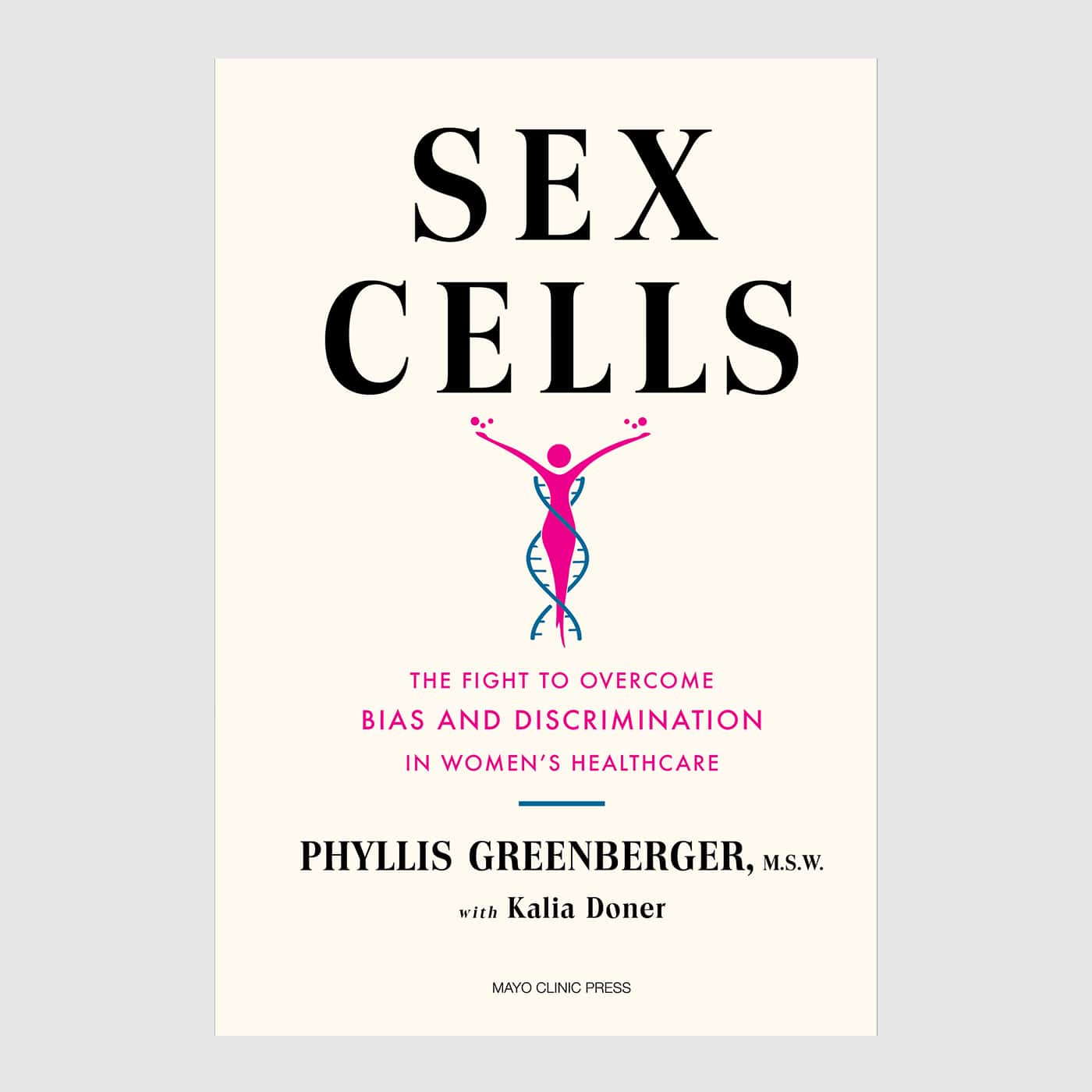
Sex Cells
Sex Cells is the tale of getting the scientific and medical world to recognize that women are unique. This book gives readers access to the wide world of sex-specific medical issues as they play out in the research labs and doctor’s offices, and how women pay the price, with a…
Children’s health information and parenting tips to your inbox.
Sign-up to get Mayo Clinic’s trusted health content sent to your email. Receive a bonus guide on ways to manage your child’s health just for subscribing.