Sickle cell disease is a group of inherited red blood cell disorders. Red blood cells are usually round and flexible, so they move easily through blood vessels. With sickle cell disease, some red blood cells are shaped like sickles or crescent moons, become rigid and sticky. These sickle-cell shaped cells can slow or block blood flow.
The most common type of sickle cell disease is sickle cell anemia. Red blood cells usually live for about 120 days before they need to be replaced. But sickle cells typically die in 10 to 20 days, leaving a shortage of red blood cells, or anemia. Without enough red blood cells, the body can’t get enough oxygen, and this causes fatigue.
For a baby to be born with sickle cell anemia, both parents must carry a sickle cell gene. In the U.S., sickle cell anemia most commonly affects people of African, Mediterranean and Middle Eastern descent.
On the Mayo Clinic Q&A podcast, Ask the Mayo Mom host Dr. Angela Mattke, a Mayo Clinic pediatrician, is joined by Mayo Clinic Children’s Center experts Dr. Asmaa Ferdjallah, pediatric hematologist and bone marrow transplant physician, and Dr. Emily McTate, pediatric psychologist, to discuss managing sickle cell disease in pediatric patients and the latest advancements in treatment of sickle cell disease, including bone marrow transplant.
Relevant reading
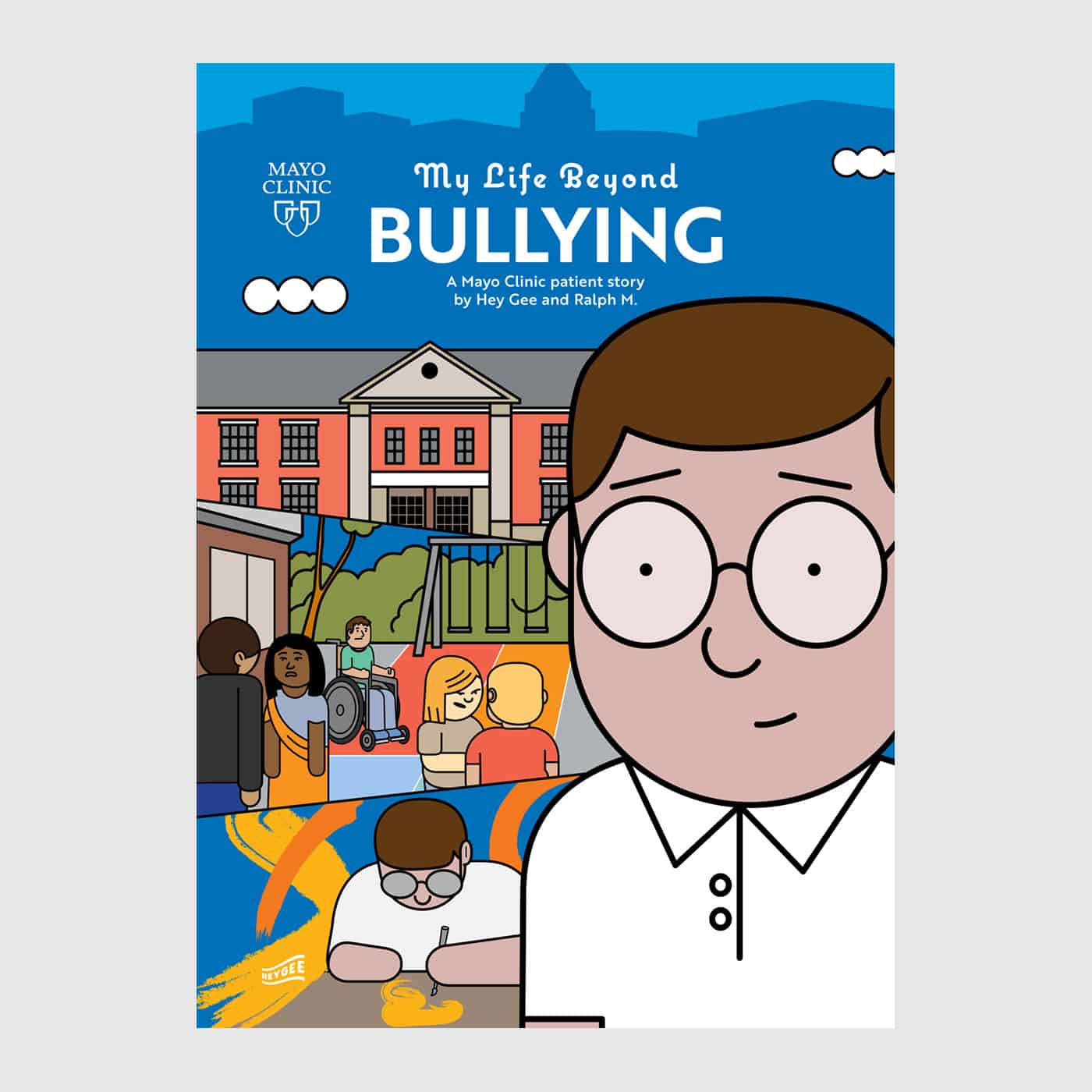
My Life Beyond Bullying
When some kids at Alex’s new school start bullying him, he just wants to escape. He feels guilty and stressed about what’s happening. But what can he do? The challenges Alex experienced are common. Still, there are important steps you can take when you or someone you know is being…
Children’s health information and parenting tips to your inbox.
Sign-up to get Mayo Clinic’s trusted health content sent to your email. Receive a bonus guide on ways to manage your child’s health just for subscribing.