
Mayo Clinic does not endorse companies or products. Advertising revenue supports our not-for-profit mission.
If you’re diagnosed with multiple sclerosis (MS) during your childbearing years, your expectations about the future may change — including family planning. Although many people with MS successfully have children, you might have some reservations about having a baby.
This article discusses some of the most common questions people with MS ask about family planning. Because every person with MS has different symptoms and goals, discussing these questions with your healthcare team is essential.
Should people with MS use contraception?
Whether you are considering having children or trying to avoid pregnancy, contraception is an important part of family planning for people with MS. Contraception is generally safe for people with MS, and many types of contraception don’t interact with disease-modifying therapies (DMTs).
What are the benefits of contraception for people with MS?
There are several reasons that people with MS might use contraception besides preventing pregnancy, including:
- Taking oral contraceptives continuously — skipping the inactive pills — to avoid MS flare-ups before having a period.
- While adjusting or weaning off DMTs before getting pregnant — a process that can take up to six months.
What types of contraception work best (or worst) for people with MS?
Long-acting reversible contraceptives (LARCs) are contraceptive implants that are effective for people with MS and don’t affect fertility. LARCs are placed under the skin of the upper arm, where they release low, steady doses of the hormone progestin.
People with MS might want to avoid “barrier methods” of contraception, such as cervical caps, condoms or sponges, because MS symptoms — such as weakness, incoordination and erectile dysfunction — may make them hard to use.
Do I need to stop my MS medication if I want to have a baby?
It’s important to avoid taking medication that may harm an unborn baby, also called a fetus. Some medications, such as teriflunomide (Aubagio), are teratogenic — meaning they could cause significant issues for the baby. Before stopping contraception to try for pregnancy, talk with your healthcare professional about how and when to stop taking any MS medication that could be harmful to your baby.
Are pregnancy and childbirth safe for people with MS?
People with MS are just as safe during pregnancy and childbirth as are people who do not have MS. People with MS usually have typical births and require no special accommodations due to MS.
Several significant studies have shown that people with MS have pregnancy, labor and delivery experiences comparable to those of people without MS. For example:
- People with MS receive the same pregnancy and postpartum care as other people.
- There’s no evidence that people with MS have an increased number of stillbirths, miscarriages or babies with congenital conditions.
- People with MS can receive epidural anesthesia, just like people without MS. All types of anesthesia are considered safe for people living with MS.
What MS symptoms might be worse during pregnancy?
As the baby grows, some MS symptoms — such as fatigue, bladder and bowel problems, and mobility issues — may worsen.
Does pregnancy cause MS relapses?
The risk of relapse is low during pregnancy, and as your pregnancy continues, you are less likely to have relapses. Experts think the immune system changes during pregnancy to prevent the body from rejecting the fetus. Those same immune system changes benefit pregnant people with MS, who have less inflammation and fewer relapses during pregnancy.
Can people with MS have in vitro fertilization (IVF)?
For many years, healthcare professionals recommended that people with MS avoid IVF because it was associated with a risk of relapses. More-recent studies have shown that IVF does not increase relapse in people with MS who actively manage their symptoms. Research on this topic is ongoing, so ask your healthcare team for the latest insights.
Can people with MS take DMTs while pregnant or breastfeeding?
The advice about using DMTs while pregnant or breastfeeding is still evolving. Whether you take DMTs while pregnant or breastfeeding depends on a number of factors, such as your healthcare team’s advice, your medications, your risk of progression and your preferences.
While the U.S. Food and Drug Administration (FDA) has not approved DMTs during pregnancy or breastfeeding, an increasing number of pregnant people have been using DMTs during pregnancy. The preliminary safety reports have shown no significant harm to the pregnant person or the baby.
Short-acting DMTs
Abruptly stopping some short-acting medications — including fingolimod (Gilenya), natalizumab (Tysabri) and dimethyl fumarate (Tecfidera) — during pregnancy can lead to a rebound of disease activity that can cause permanent disability.
Long-acting DMTs
Some longer acting DMTs that are given prior to pregnancy can provide a long-lasting effect, including some coverage during pregnancy. For example, some B-cell-depleting medications that are dosed every 6 months may still exert effects for up to 1 to 2 years.
How is postpartum care different for people with MS?
Pregnant people with MS have an elevated risk of postpartum depression compared with those who don’t have MS. Additionally, there is a 30% risk of increased MS relapses in the first few months postpartum as the body’s immune system returns to its prepregnancy state. Talk with your healthcare team for postpartum advice, including when you can resume your MS treatments and MRIs.
Can people with MS breastfeed?
Yes. Many DMTs appear to be safe for breastfeeding. Some DMTs may be particularly suitable for those with very active MS. According to some experts, breastfeeding without DMT may be more problematic. Some studies found that breastfeeding is associated with 37% lower odds of postpartum relapse of MS compared with not breastfeeding. Breastfeeding exclusively has an even higher benefit.
Note that some people may need to “pump-and-dump” before resuming breastfeeding after they’ve received a dose of medication. Ask your healthcare professional for more information about your specific situation.
Would my future children have MS?
The quick answer is that babies born to a parent with MS have a 1 in 67 chance of having the condition. MS is not considered a hereditary condition because it’s not transmitted directly from the parent to future generations. Researchers still don’t know exactly what causes MS.
Family genes likely play a part
Researchers have identified more than 230 genes that might increase the risk of MS. Since parents pass on some of their genes to their children, they may have a genetic susceptibility to MS.
While there seems to be a genetic component in MS, studies of identical twins — who have identical genetic makeups — show that genes are not the only factor. When one identical twin has MS, the other twin only has a 1 of 5 chance of having the condition.
Environmental exposures
Researchers believe that genes account for about 54% of the risk factors for MS. The other risk factors are likely environmental exposures such as Epstein-Barr virus infection, vitamin D deficiency, obesity, stress, smoking, and exposure to solvents in paints and glues.
Is fertility affected in men with MS?
Because MS is much more common in women than in men, fertility in men with MS hasn’t been studied as thoroughly.
It’s known that MS can affect sexual function in men. Up to 70% of men with MS have erectile dysfunction, and up to 50% of men have alterations in ejaculation. Some studies have reported a decreased number of pregnancies in couples in which a male partner has MS.
Mayo Clinic does not endorse companies or products. Advertising revenue supports our not-for-profit mission.
Relevant reading
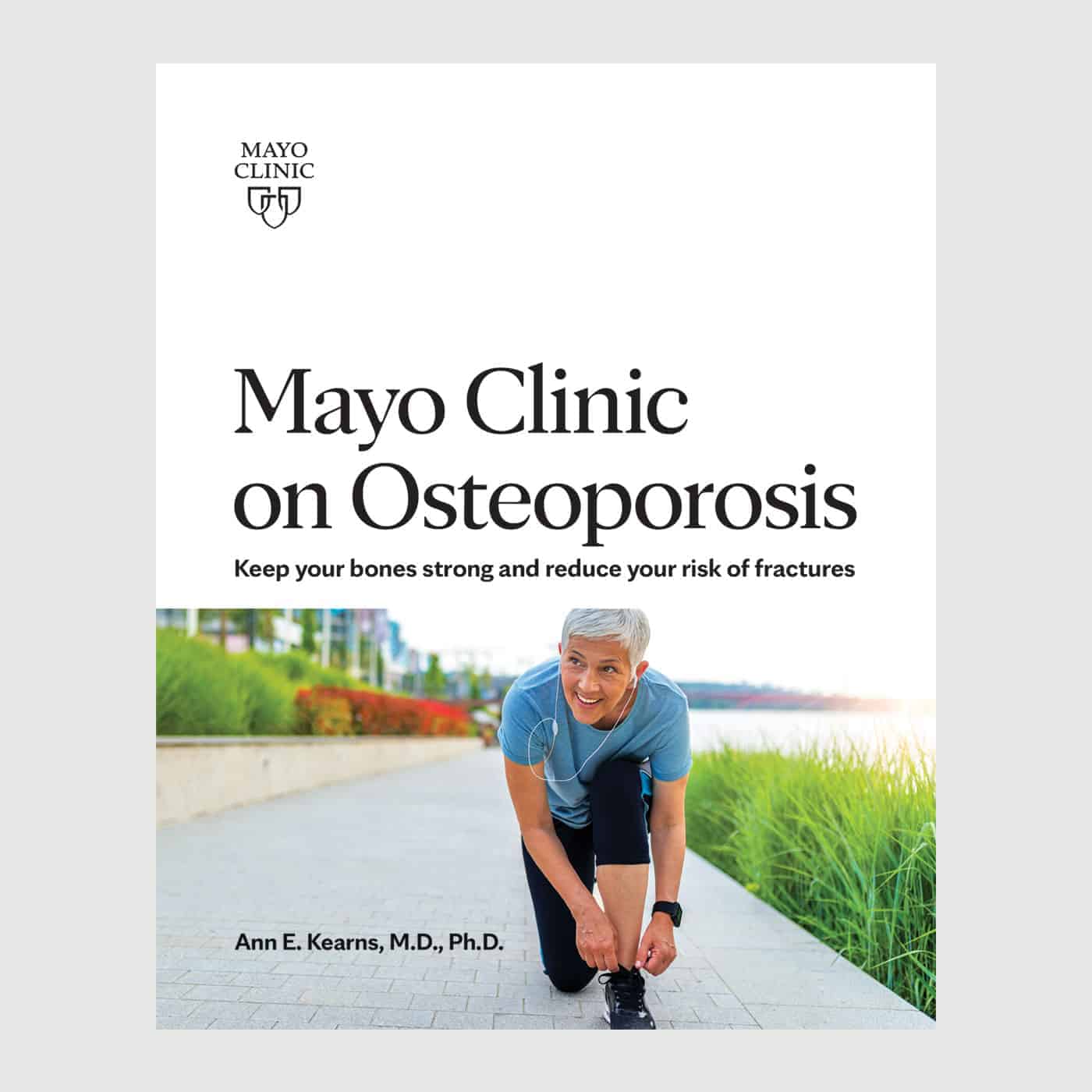
Mayo Clinic on Osteoporosis
Around 54 million Americans live with osteoporosis or low bone mass, but many don’t recognize the symptoms until it is too late. Before a bad fall or fracture renders you immobile, learn how to reduce your risk of developing osteoporosis, manage your day-to-day symptoms, and even treat the disease with the tools provided in Mayo Clinic on Osteoporosis.