
“All Bleeding Stops“by Stephen M. Cohn, M.D., explores the effects of trauma- with an in-depth look inside trauma centers. Dr. Cohn describes the effects that injuries from car crashes, shootings, stabbings and other traumatic events have on people — and on their families, friends and medical care teams. Through sobering narratives, Dr. Cohn paints the true picture of what it means to work in a trauma center.
Dr. Cohn took some time to answer questions about the book and share some personal anecdotes as a trauma surgeon.
Which section or sections in “All Bleeding Stops”? were the most difficult for you to reengage with or write about Why?
All of the stories in this book are indelibly imprinted on my brain, but it is those involving devastating injuries to children that are the hardest to revisit. Injured children always remind me of my own kids. Unfortunately, the innocent child is typically placed in a vulnerable predicament because of the actions of an adult who should know better. Naturally, it was these recollections that were most difficult to write about.
What are the biggest misconceptions people have about what trauma surgeons do? Have those misconceptions remained the same throughout your career, or are they changing? How many of these misconceptions are linked to medical dramas on TV?
The biggest misconception folks have about trauma surgeons is mixing us up with emergency room physicians. This is probably because we often receive people with the worst injuries in the ER setting. However, this is only the start of the journeys that people spend with the trauma surgeon, who is responsible for operating on injured people and then caring for them in the intensive care unit and beyond. When I started my career there were very few ER physicians, so this is a relatively new phenomenon.
TV seems to consistently depict trauma as being associated with a lot of excitement. In fact, when the situation is dire, the environment gets very quiet and calm. This is essential to making good decisions and delivering optimal care. A silly misconception promulgated by TV is digging around in a wound to fish out a bullet. This is not something that we do.
Given all the experiences you’ve had over the last few decades, what piece of advice would you give yourself if you encountered yourself as a young resident?
When I encounter young residents with potential, I encourage them to seek out guidance to help them navigate their training period and beyond. I have helped mentor many trainees and young faculty members and encourage them to avoid the mistakes I made in my youth, both clinically, educationally and in research. And it is great to have someone direct you away from the political landmines that are omnipresent in medicine.
What’s on your nightstand right now in terms of reading material? Do you enjoy reading medical nonfiction, or do you detox by reading novels or other types of books?
I love to read nonfiction and occasional novels of a great variety. I recently read “Evicted,” by Matthew Desmond, and books on Abraham Lincoln and Ulysses S. Grant. I reread “The Sunflower,” by Simon Wiesenthal,and”The Alchemist,” by Paolo Coehlo, this summer — I am reviewing both of them with one of my research fellows. I usually am reading a couple of nonfiction books at a time, generally with a historical bent. While I enjoy medical nonfiction, I find that general nonfiction and sometimes a good novel can take me away.
What would your profession have been if you had not chosen to become a trauma surgeon?
I am not sure. While I would have loved to have been a professional musician, I am not sure I have the talent. I suppose I would have been a college professor. Not sure what field. But in something that I felt passionate about and would have enjoyed relating to the students.
Who are three people — living or dead — you admire, not in the medical field but in other areas?
There are many people I admire, but I interpreted this question as asking with whom I would like to have a dinner conversation. I am still not exactly sure of my answer, but I have great admiration for and would love to dine individually with Abraham Lincoln, Albert Einstein and Nelson Mandela. With Teddy Roosevelt close behind. (Of course, this assumes I cannot get together with my parents and my grandma Rosie).
Relevant reading
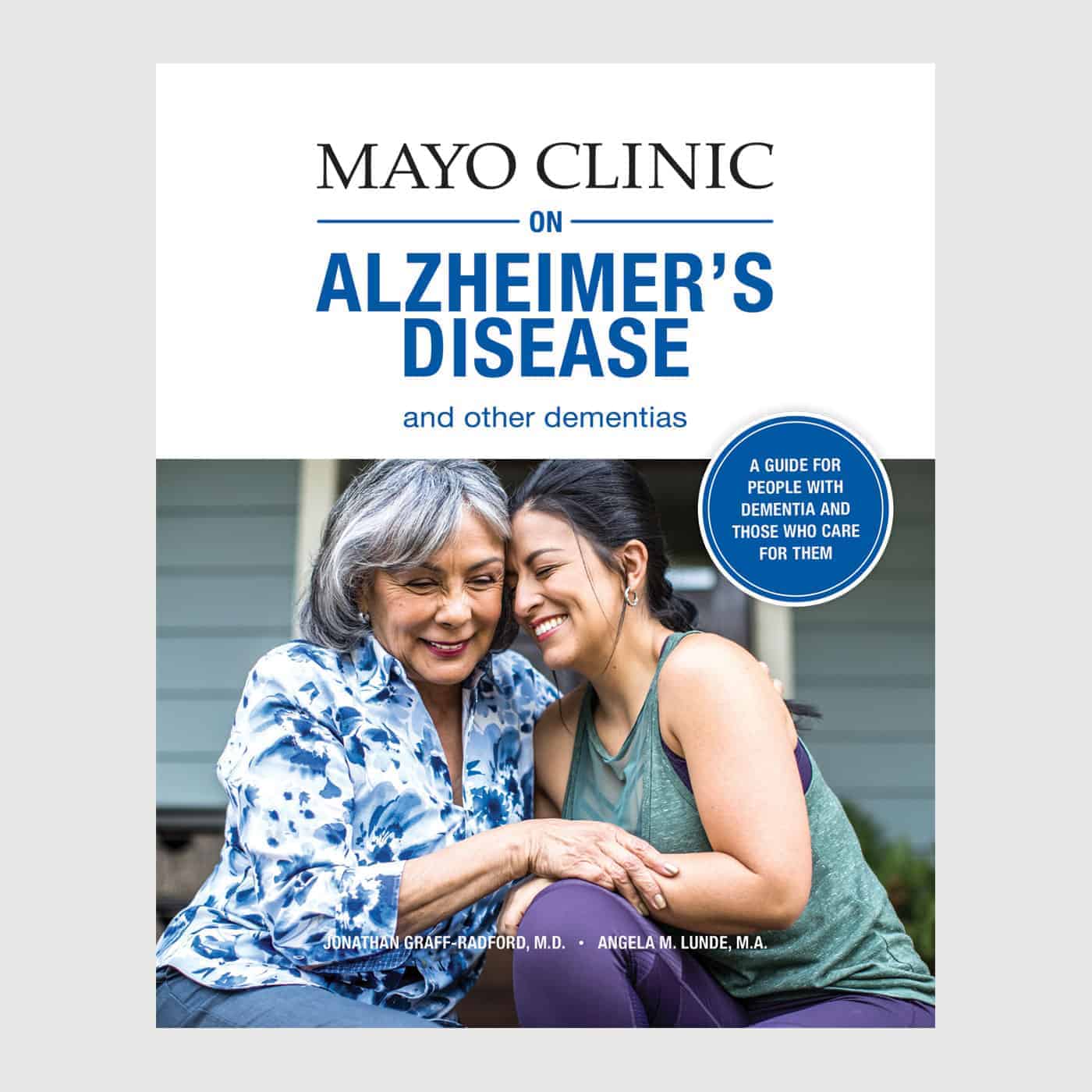
Mayo Clinic on Alzheimer's Disease and Other Dementias
Are there ways you can lower your risk of dementia? Can it be prevented? Can you live well with dementia? If so, how? Mayo Clinic on Alzheimer’s Disease and Other Dementias provides answers to these important questions and more.